Painful Blisters

Blisters on the feet are fluid- filled pockets that develop in response to friction, heat, or moisture. They are often the result of wearing ill-fitting shoes or increased activity. These areas may appear as raised, clear bubbles on the skin and can feel tender, especially when walking or wearing shoes. The surrounding skin may be red or irritated, and if the blister breaks, it can become painful and vulnerable to infection. People with diabetes should be especially cautious, as even small blisters can lead to more serious complications. A podiatrist can evaluate the cause of recurring blisters and help prevent them from returning. Treatment includes protecting the area, safely draining larger blisters when appropriate, and recommending proper footwear or padding to reduce friction. Guidance on foot hygiene and skin care can also support healing and prevention. If you have painful or recurring blisters on your feet, it is suggested that you schedule an appointment with a podiatrist for appropriate management solutions.

Blisters may appear as a single bubble or in a cluster. They can cause a lot of pain and may be filled with pus, blood, or watery serum. If your feet are hurting, contact Jennifer Swan, DPM of Right Step Foot Care. Our doctor can provide the care you need to keep you pain-free and on your feet.

Foot Blisters

Foot blisters are often the result of friction. This happens due to the constant rubbing from shoes, which can lead to pain.

What Are Foot Blisters?

A foot blister is a small fluid-filled pocket that forms on the upper-most layer of the skin. Blisters are filled with clear fluid and can lead to blood drainage or pus if the area becomes infected.

Symptoms

(Blister symptoms may vary depending on what is causing them)

  • Bubble of skin filled with fluid
  • Redness
  • Moderate to severe pain
  • Itching

Prevention & Treatment

In order to prevent blisters, you should be sure to wear comfortable shoes with socks that cushion your feet and absorb sweat. Breaking a blister open may increase your chances of developing an infection. However, if your blister breaks, you should wash the area with soap and water immediately and then apply a bandage to the affected area. If your blisters cause severe pain it is important that you call your podiatrist right away.

If you have any questions, please feel free to contact our office located in Westerville, OH . We offer the newest diagnostic and treatment technologies for all your foot care needs.

Read more about Blisters

Athlete’s Foot Explained

Athlete's foot is a common fungal infection that affects the skin on the feet. It is caused by fungi that thrive in warm moist environments, such as locker rooms and sweaty shoes. This condition often appears between the toes, but can also spread to the soles and sides of the feet. Risk factors include poor foot hygiene, wearing tight footwear, and frequent exposure to damp surfaces. Symptoms include itching, burning, redness, peeling skin, and sometimes cracking or blistering. A podiatrist can diagnose the infection accurately, providing care advice and effective treatment options including antifungal medications. If you have symptoms of athlete’s foot, it  is suggested that you consult a podiatrist who can offer treatment solutions, which may include prescribed medication.

Athlete’s foot is an inconvenient condition that can be easily reduced with the proper treatment. If you have any concerns about your feet and ankles, contact Jennifer Swan, DPM from Right Step Foot Care.  Our doctor will treat your foot and ankle needs.

Athlete’s Foot: The Sole Story

Athlete's foot, also known as tinea pedis, can be an extremely contagious foot infection. It is commonly contracted in public changing areas and bathrooms, dormitory style living quarters, around locker rooms and public swimming pools, or anywhere your feet often come into contact with other people.

Solutions to Combat Athlete’s Foot

  • Hydrate your feet by using lotion
  • Exfoliate
  • Buff off nails
  • Use of anti-fungal products
  • Examine your feet and visit your doctor if any suspicious blisters or cuts develop

Athlete’s foot can cause many irritating symptoms such as dry and flaking skin, itching, and redness. Some more severe symptoms can include bleeding and cracked skin, intense itching and burning, and even pain when walking. In the worst cases, Athlete’s foot can cause blistering as well. Speak to your podiatrist for a better understanding of the different causes of Athlete’s foot, as well as help in determining which treatment options are best for you.

If you have any questions please feel free to contact our office located in Westerville, OH . We offer the newest diagnostic and treatment technologies for all your foot and ankle needs.

Read more about Athlete's Foot

Why Diabetes Can Quietly Damage Your Feet

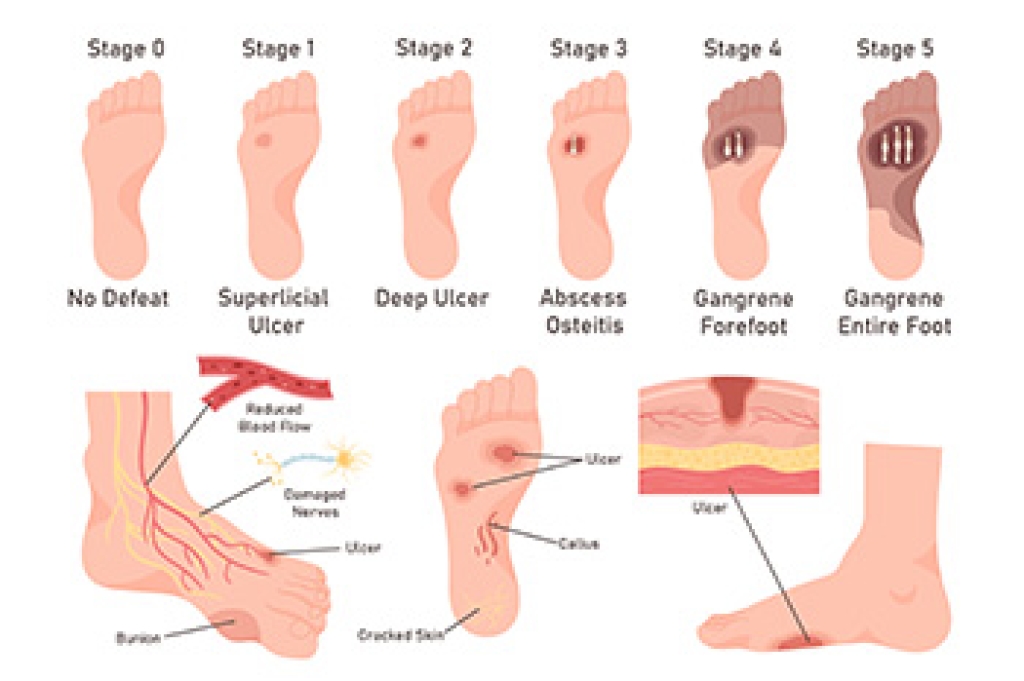
Diabetes can affect the feet in ways that are easy to miss at first. High blood sugar over time can damage nerves, a condition called diabetic neuropathy. This may cause numbness, tingling, or burning pain, and small injuries may go unnoticed. Diabetes can also reduce blood flow to the feet, slowing healing and increasing the risk of infection. Even a minor cut or blister can develop into a serious wound. Skin changes are also common. The feet may become dry and cracked, creating openings for bacteria. Toenails may thicken, and foot shape can change, leading to pressure points and ulcers. Without proper care, these issues can lead to long-term complications. Daily foot checks, wearing proper footwear, and regular podiatric care are important. If you have diabetes and notice changes in your feet, it is suggested that you are under the care of a podiatrist who can help you to manage this serious condition.

Diabetic foot care is important in preventing foot ailments such as ulcers. If you are suffering from diabetes or have any other concerns about your feet, contact Jennifer Swan, DPM from Right Step Foot Care. Our doctor can provide the care you need to keep you pain-free and on your feet.

Diabetic Foot Care

Diabetes affects millions of people every year. The condition can damage blood vessels in many parts of the body, especially the feet. Because of this, taking care of your feet is essential if you have diabetes, and having a podiatrist help monitor your foot health is highly recommended.

The Importance of Caring for Your Feet

  • Routinely inspect your feet for bruises or sores.
  • Wear socks that fit your feet comfortably.
  • Wear comfortable shoes that provide adequate support.

Patients with diabetes should have their doctor monitor their blood levels, as blood sugar levels play such a huge role in diabetic care. Monitoring these levels on a regular basis is highly advised.

It is always best to inform your healthcare professional of any concerns you may have regarding your feet, especially for diabetic patients. Early treatment and routine foot examinations are keys to maintaining proper health, especially because severe complications can arise if proper treatment is not applied.

If you have any questions, please feel free to contact our office located in Westerville, OH . We offer the newest diagnostic and treatment technologies for all your foot care needs.
Read more about Diabetic Foot Care

Heels That Always Hurt

Heel pain is a common foot problem that can make walking uncomfortable and limit daily activities. Two frequent causes are plantar fasciitis and Achilles tendonitis. Plantar fasciitis occurs when the thick band of tissue along the bottom of the foot becomes irritated where it attaches to the heel. Patients often notice sharp pain with the first steps in the morning or after periods of rest. Achilles tendonitis affects the large tendon at the back of the heel and ankle. This condition may cause stiffness, swelling, and a dull or burning pain that worsens with activity. Both problems may develop from overuse, tight calf muscles, improper footwear, or changes in activity level. The heel may feel tender to the touch, and walking or climbing stairs can become difficult. A podiatrist can diagnose the cause of heel pain through examination and imaging. Treatment may include supportive footwear, custom orthotics, anti-inflammatory care, and targeted exercises to improve flexibility and strength. If you have ongoing heel pain, it is suggested that you make an appointment with a podiatrist.

Many people suffer from bouts of heel pain. For more information, contact Jennifer Swan, DPM of Right Step Foot Care. Our doctor can provide the care you need to keep you pain-free and on your feet.

Causes of Heel Pain

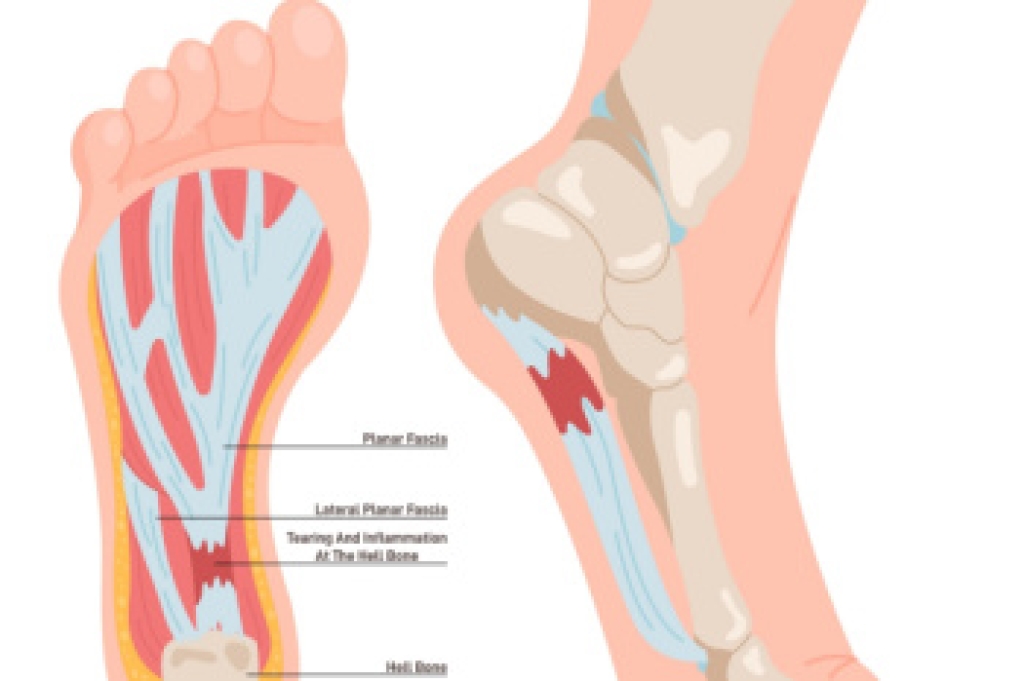
Heel pain is often associated with plantar fasciitis. The plantar fascia is a band of tissues that extends along the bottom of the foot. A rip or tear in this ligament can cause inflammation of the tissue.

Achilles tendonitis is another cause of heel pain. Inflammation of the Achilles tendon will cause pain from fractures and muscle tearing. Lack of flexibility is also another symptom.

Heel spurs are another cause of pain. When the tissues of the plantar fascia undergo a great deal of stress, it can lead to ligament separation from the heel bone, causing heel spurs.

Why Might Heel Pain Occur?

  • Wearing ill-fitting shoes                
  • Wearing non-supportive shoes
  • Weight change           
  • Excessive running

Treatments

Heel pain should be treated as soon as possible for immediate results. Keeping your feet in a stress-free environment will help. If you suffer from Achilles tendonitis or plantar fasciitis, applying ice will reduce the swelling. Stretching before an exercise like running will help the muscles. Using all these tips will help make heel pain a condition of the past.

If you have any questions, please feel free to contact our office located in Westerville, OH . We offer the newest diagnostic and treatment technologies for all your foot care needs.

Read more about Heel Pain

Do Your Child's Feet Hurt?

Have your child's feet been examined lately? Healthy feet are happy feet. If your child is complaining of foot pain, it may be a sign of underlying problems.

scroll to top