Heel Pain Can Slow You Down

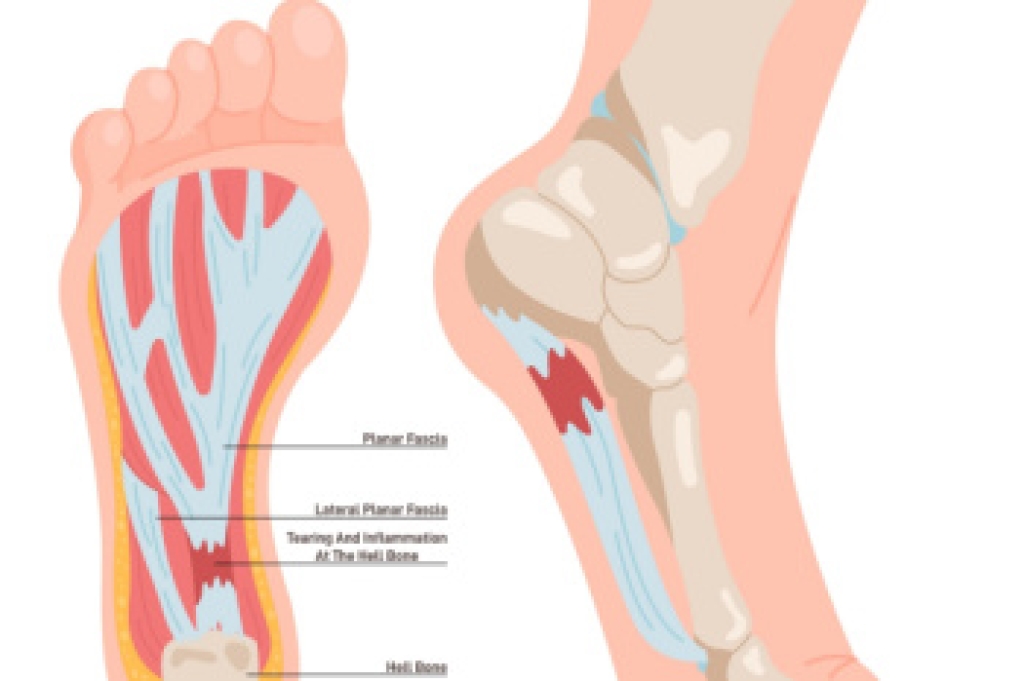
Plantar fasciitis is a common cause of heel pain that often appears with the first steps in the morning or after periods of rest. The pain is typically sharp and located at the bottom of the heel, sometimes easing as the foot warms up but returning after long activity. It may look normal from the outside, though some patients notice mild swelling or tightness along the arch. Causes include overuse, standing for long periods, improper footwear, tight calf muscles, or changes in activity level. A podiatrist begins with a careful exam and may use imaging to confirm the diagnosis. Treatment includes supportive footwear, custom orthotics, and targeted exercises to stretch and strengthen the plantar fascia. Additional options like anti-inflammatory care or injections may be considered if symptoms persist. If you have plantar fasciitis, it is suggested that you make an appointment with a podiatrist.

Plantar fasciitis is a common foot condition that is often caused by a strain injury. If you are experiencing heel pain or symptoms of plantar fasciitis, contact Jennifer Swan, DPM from Right Step Foot Care. Our doctor can provide the care you need to keep you pain-free and on your feet.

What Is Plantar Fasciitis?

Plantar fasciitis is one of the most common causes of heel pain. The plantar fascia is a ligament that connects your heel to the front of your foot. When this ligament becomes inflamed, plantar fasciitis is the result. If you have plantar fasciitis you will have a stabbing pain that usually occurs with your first steps in the morning. As the day progresses and you walk around more, this pain will start to disappear, but it will return after long periods of standing or sitting.

What Causes Plantar Fasciitis?

  • Excessive running
  • Having high arches in your feet
  • Other foot issues such as flat feet
  • Pregnancy (due to the sudden weight gain)
  • Being on your feet very often

There are some risk factors that may make you more likely to develop plantar fasciitis compared to others. The condition most commonly affects adults between the ages of 40 and 60. It also tends to affect people who are obese because the extra pounds result in extra stress being placed on the plantar fascia.

Prevention

  • Take good care of your feet – Wear shoes that have good arch support and heel cushioning.
  • Maintain a healthy weight
  • If you are a runner, alternate running with other sports that won’t cause heel pain

There are a variety of treatment options available for plantar fasciitis along with the pain that accompanies it. Additionally, physical therapy is a very important component in the treatment process. It is important that you meet with your podiatrist to determine which treatment option is best for you.

If you have any questions, please feel free to contact our office located in Westerville, OH . We offer the newest diagnostic and treatment technologies for all your foot care needs.


Read more about Plantar Fasciitis

Changes in Toenail Health

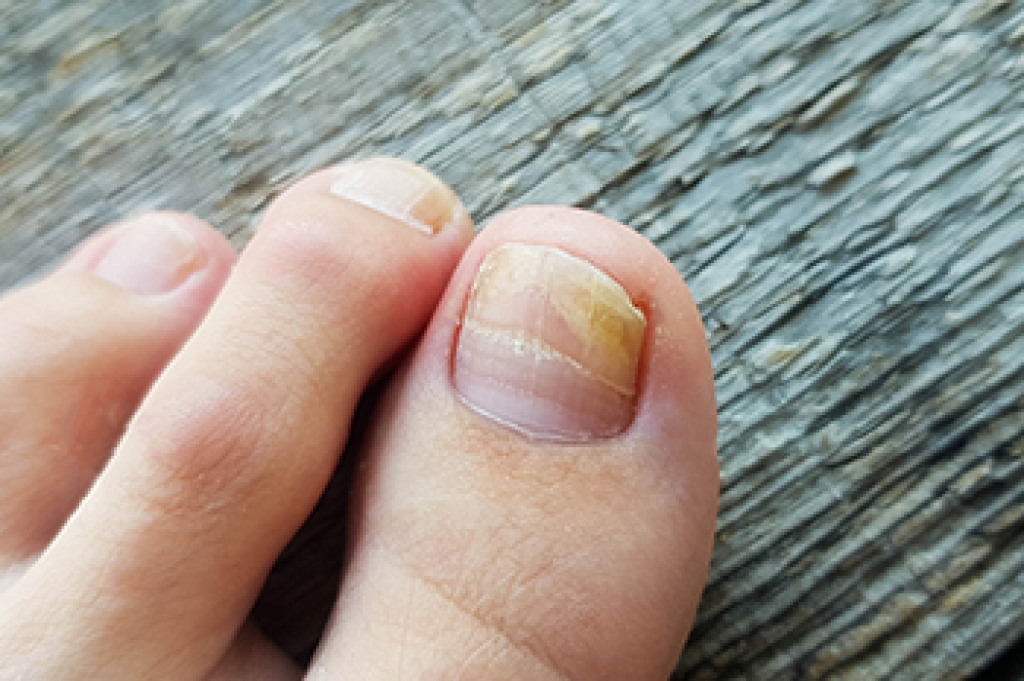
Toenail issues can develop for several reasons related to infection, nail growth patterns, or injury to the nail unit. The toenail helps protect the tip of the toe and supports balance while walking, but problems can affect both appearance and comfort. Common causes include fungal infections, ingrown toenails where the nail grows into the surrounding skin, and trauma from repetitive pressure or direct impact. Nails may become thick, discolored, brittle, or misshapen. The surrounding skin may appear red, swollen, or tender. In some cases, the nail may lift or develop drainage if infection is present. A podiatrist can evaluate the nail through examination to determine the underlying cause. Treatment options include antifungal medications, proper nail trimming techniques, minor procedures for ingrown nails, and guidance on footwear to prevent further irritation. If you are experiencing toenail issues, it is suggested that you schedule an appointment with a podiatrist for expert advice and guidance.

For more information about treatment, contact Jennifer Swan, DPM of Right Step Foot Care. Our doctor can provide the care you need to keep you pain-free and on your feet.

Toenail Fungus Treatment

Toenail fungus is a condition that affects many people and can be especially hard to get rid of. Fortunately, there are several methods to go about treating and avoiding it.

Antifungals & Deterrence

Oral antifungal medicine has been shown to be effective in many cases. It is important to consult with a podiatrist to determine the proper regiment for you, or potentially explore other options.

Applying foot powder on the feet and shoes helps keep the feet free of moisture and sweat.

Sandals or open toed shoes – Wearing these will allow air movement and help keep feet dry. They also expose your feet to light, which fungus cannot tolerate. Socks with moisture wicking material also help as well.

If you have any questions please contact our office located in Westerville, OH . We offer the newest diagnostic and treatment technologies for all your foot and ankle needs.

Read more about How to Treat Your Toenail Fungus

Understanding Heel Fissures and Skin Changes

Heel fissures are cracks in thickened skin on the heels that can become painful if not treated. The skin in these areas is often drier and less flexible than healthy skin, which makes it more likely to split under pressure. Research shows that this type of thickened skin behaves differently from normal skin, especially in how it holds moisture and stretches. These differences can help guide care. In some cases, heel calluses and fissures can be grouped based on how hydrated and elastic the skin is, even when the surface feels similar. Dry, stiff skin is more prone to cracking, especially with standing, walking, or wearing open-back shoes. Regular moisturizing and proper foot support can help prevent worsening. If cracks become deep, painful, or do not improve, it is suggested you schedule an appointment with a podiatrist for appropriate care.

If the skin on your feet starts to crack, you may want to see a podiatrist to find treatment. If you have any concerns, contact Jennifer Swan, DPM from Right Step Foot Care. Our doctor can provide the care you need to keep you pain-free and on your feet.

Cracked Heels

It is important to moisturize your cracked heels in order to prevent pain, bleeding, and infection. The reason cracked heels form is because the skin on the foot is too dry to support the immense pressure placed on them. When the foot expands, the dry skin on the foot begins to split.

Ways to Help Heal Them

  • Invest in a good foot cream
  • Try Using Petroleum Jelly
  • Ease up on Soaps
  • Drink Plenty of Water

Ways to Prevent Cracked Heels

  • Moisturize After Showering
  • Skip a Shower
  • Keep Shower Water Lukewarm
  • Don’t Scrub Your Feet

If you are unsure how to proceed in treating cracked heels, seek guidance from a podiatrist. Your doctor will help you with any questions or information you may need. 

If you have any questions, please feel free to contact our office located in Westerville, OH . We offer the newest diagnostic and treatment technologies for all your foot care needs.

Read more about Solutions for Cracked Heels

Are Bunions Affecting Your Everyday Life?

Have you noticed a bony protrusion on the side of your big toe? If so, you may have developed the foot condition known as a bunion. Don't let bunions interfere with your daily activities.

Reasons for Swollen Feet During Pregnancy

Pregnancy places added stress on the body, especially for those who spend long hours standing or walking at work. Increased weight, hormonal changes, and fluid retention can contribute to foot pain, swelling, and fatigue. Many pregnant women notice aching in the arches, heels, or ankles as the day progresses, along with a feeling of heaviness in the legs. Wearing supportive, well-cushioned footwear and taking short seated breaks when possible can help reduce strain. Gentle stretching, elevating the feet after work, and staying hydrated may also ease discomfort and improve circulation. Compression socks can further help manage swelling during long shifts. Paying attention to posture and avoiding prolonged standing in one position is important. If foot pain, swelling, or discomfort becomes persistent or severe, it is suggested that you see a podiatrist for a proper evaluation and care.

Pregnant women with swollen feet can be treated with a variety of different methods that are readily available. For more information about other cures for swollen feet during pregnancy, consult with Jennifer Swan, DPM from Right Step Foot Care. Our doctor will attend to all of your foot and ankle needs.

What Foot Problems Can Arise During Pregnancy?

One problem that can occur is overpronation, which occurs when the arch of the foot flattens and tends to roll inward.  This can cause pain and discomfort in your heels while you’re walking or even just standing up, trying to support your baby.  

Another problem is edema, or swelling in the extremities. This often affects the feet during pregnancy but tends to occur in the later stages. 

How Can I Keep My Feet Healthy During Pregnancy?

  • Wearing orthotics can provide extra support for the feet and help distribute weight evenly
  • Minimize the amount of time spent walking barefoot
  • Wear shoes with good arch support
  • Wear shoes that allow for good circulation to the feet
  • Elevate feet if you experience swelling
  • Massage your feet
  • Get regular, light exercise, such as walking, to promote blood circulation to the feet

If you have any questions, please feel free to contact our office located in Westerville, OH . We offer the newest diagnostic and treatment technologies for all your foot care needs.

Read more about Foot Care for Pregnant Women
scroll to top