Cellulitis of the Feet

Cellulitis is a bacterial skin infection that affects the deeper layers of the skin and soft tissue, often involving the feet and ankles. It can cause redness, warmth, swelling, and pain, sometimes spreading quickly. In the feet, cellulitis may begin through a cut, blister, or ulcer. It is often confused with gout because both conditions can cause sudden swelling, redness, and significant pain. Gout symptoms typically include intense joint pain, stiffness, and inflammation, often starting in the big toe. Cellulitis symptoms also include tenderness, fever, and skin that appears tight or shiny. Cellulitis is caused by bacteria entering the skin, while gout is caused by uric acid buildup. A podiatrist can diagnose the condition, provide appropriate treatment, and help prevent complications. If you have any of the above symptoms, it is suggested that you promptly consult a podiatrist who can guide you toward appropriate relief and treatment solutions.

Foot Pain

Foot pain can be extremely painful and debilitating. If you have a foot pain, consult with Jennifer Swan, DPM from Right Step Foot Care. Our doctor will assess your condition and provide you with quality foot and ankle treatment.

Causes

Foot pain is a very broad condition that could be caused by one or more ailments. The most common include:

  • Bunions
  • Hammertoes
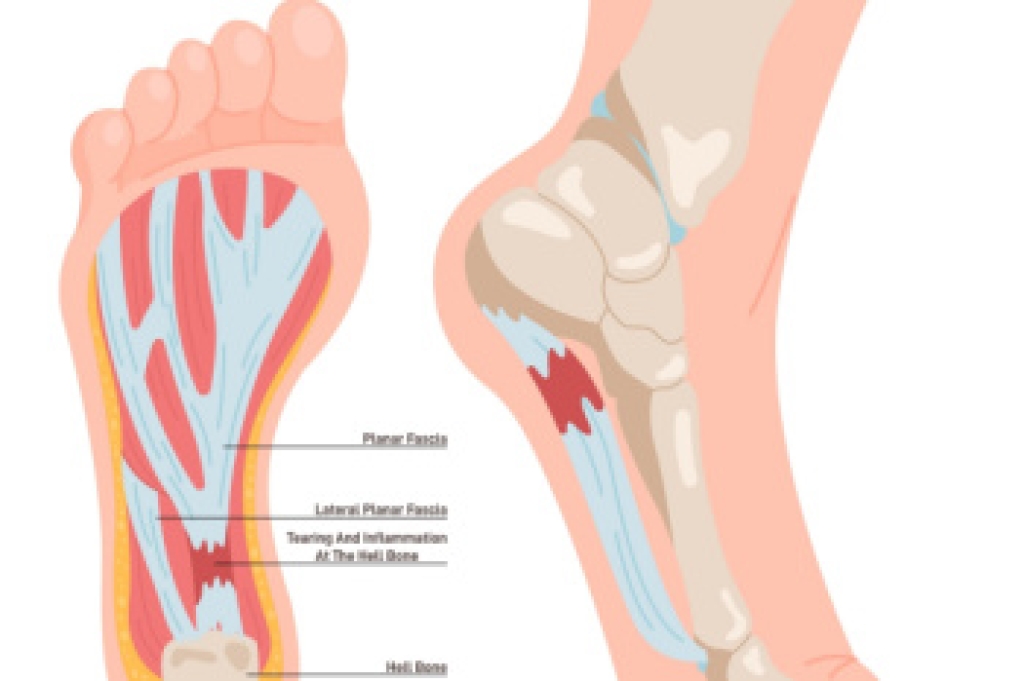
  • Plantar Fasciitis
  • Bone Spurs
  • Corns
  • Tarsal Tunnel Syndrome
  • Ingrown Toenails
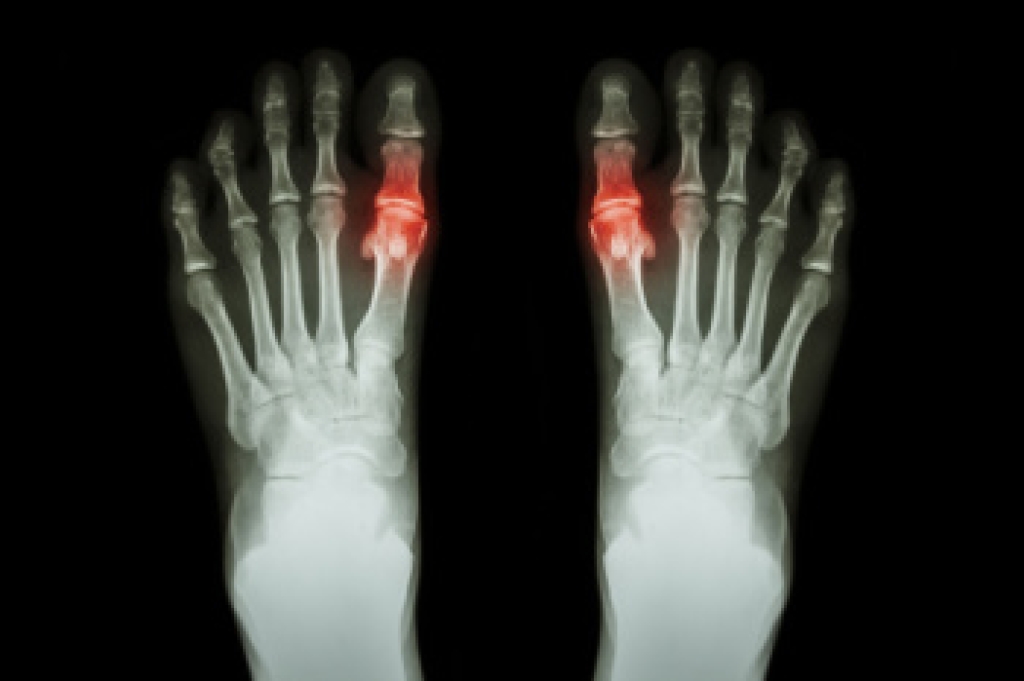
  • Arthritis (such as Gout, Rheumatoid, and Osteoarthritis)
  • Flat Feet
  • Injury (from stress fractures, broken toe, foot, ankle, Achilles tendon ruptures, and sprains)
  • And more

Diagnosis

To figure out the cause of foot pain, podiatrists utilize several different methods. This can range from simple visual inspections and sensation tests to X-rays and MRI scans. Prior medical history, family medical history, and any recent physical traumatic events will all be taken into consideration for a proper diagnosis.

Treatment

Treatment depends upon the cause of the foot pain. Whether it is resting, staying off the foot, or having surgery; podiatrists have a number of treatment options available for foot pain.

If you have any questions, please feel free to contact our office located in Westerville, OH . We offer the newest diagnostic and treatment technologies for all your foot care needs.

Read more about Foot Pain

Inspect Your Feet Regularly for Abnormalities if You're Diabetic

Diabetic patients often have decreased sensitivity in their feet, which makes a visual inspection of the feet even more important. If you're diabetic, having periodic screenings is extremely important for maintaining the overall health of your feet. 

Foot Ulcers and Proper Wound Care

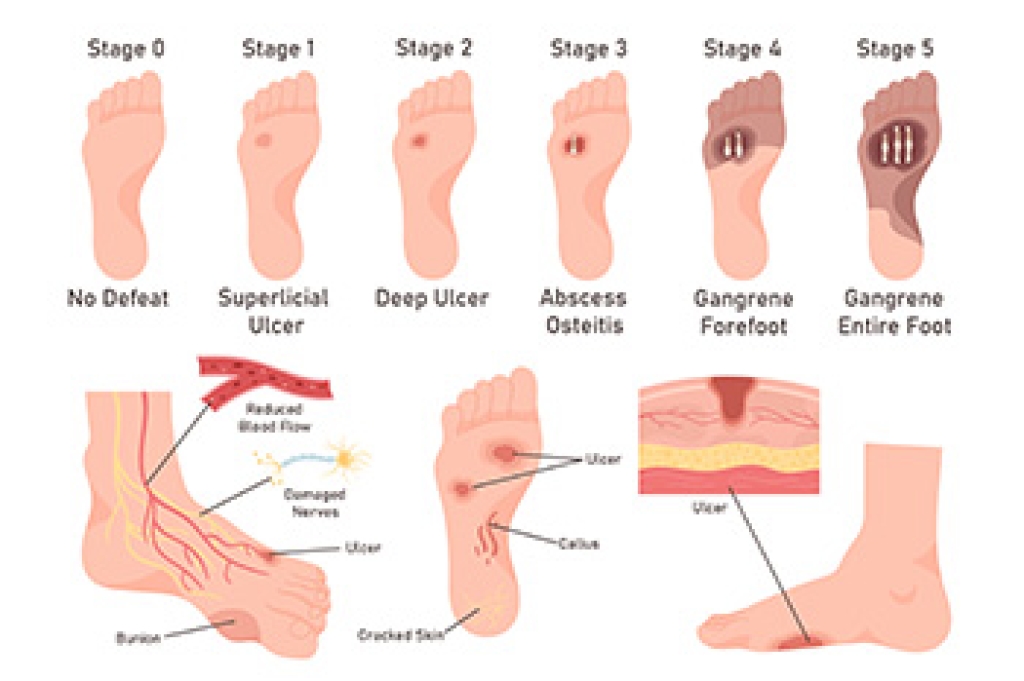
A foot ulcer is an open sore or wound that typically occurs on the bottom of the foot. It is common in individuals with diabetes or poor circulation, as high blood sugar and reduced blood flow can impair healing. Foot ulcers can develop due to pressure, friction, or injury, and without proper care, they can become infected or worsen over time. Effective wound care is an important way to prevent further complications. This involves cleaning the ulcer regularly, applying appropriate dressings, and ensuring the foot is protected from further injury. It is also important to manage underlying conditions, such as diabetes, by keeping blood sugar levels under control. In some cases, a podiatrist may recommend antibiotics if an infection is present. Wearing proper footwear and offloading pressure from the affected area are also essential in promoting healing and preventing recurrence. If you have developed a foot ulcer, it is strongly suggested that you are under the care of a podiatrist who can offer appropriate treatment solutions.

Wound care is an important part in dealing with diabetes. If you have diabetes and a foot wound or would like more information about wound care for diabetics, consult with Jennifer Swan, DPM from Right Step Foot Care. Our doctor will assess your condition and provide you with quality foot and ankle treatment.

What Is Wound Care?

Wound care is the practice of taking proper care of a wound. This can range from the smallest to the largest of wounds. While everyone can benefit from proper wound care, it is much more important for diabetics. Diabetics often suffer from poor blood circulation which causes wounds to heal much slower than they would in a non-diabetic. 

What Is the Importance of Wound Care?

While it may not seem apparent with small ulcers on the foot, for diabetics, any size ulcer can become infected. Diabetics often also suffer from neuropathy, or nerve loss. This means they might not even feel when they have an ulcer on their foot. If the wound becomes severely infected, amputation may be necessary. Therefore, it is of the upmost importance to properly care for any and all foot wounds.

How to Care for Wounds

The best way to care for foot wounds is to prevent them. For diabetics, this means daily inspections of the feet for any signs of abnormalities or ulcers. It is also recommended to see a podiatrist several times a year for a foot inspection. If you do have an ulcer, run the wound under water to clear dirt from the wound; then apply antibiotic ointment to the wound and cover with a bandage. Bandages should be changed daily and keeping pressure off the wound is smart. It is advised to see a podiatrist, who can keep an eye on it.

If you have any questions please contact our office located in Westerville, OH . We offer the newest diagnostic and treatment technologies for all your foot and ankle needs.

Read more about Wound Care

Exercises to Strengthen Ankles After a Sprain

Strengthening the ankle after a sprain helps restore control in the foot and reduce the risk of repeated injury. When ligaments around the ankle heal in a weakened state, the joint can feel unstable during walking. Strengthening focuses on improving motion, muscle support, and balance through controlled ankle and toe movements. Ankle exercises that move the foot in multiple directions help rebuild coordination. Weight bearing activities, introduced at the right stage, improve stability during movement. A podiatrist evaluates ligament healing, joint alignment, and weight bearing tolerance, then directs a plan that progresses safely. Ongoing instability or joint damage can require surgery to restore function and protect the ankle in the long term. Proper treatment lowers the risk of ankle weakness. If you have sprained an ankle, it is suggested that you make an appointment with a podiatrist for a diagnosis and options for advanced treatment.

Ankle sprains are common but need immediate attention. If you need your feet checked, contact Jennifer Swan, DPM from Right Step Foot Care. Our doctor can provide the care you need to keep you pain-free and on your feet.

How Does an Ankle Sprain Occur?

Ankle sprains take place when the ligaments in your ankle are torn or stretched beyond their limits. There are multiple ways that the ankle can become injured, including twisting or rolling over onto your ankle, putting undue stress on it, or causing trauma to the ankle itself.

What Are the Symptoms?

  • Mild to moderate bruising
  • Limited mobility
  • Swelling
  • Discoloration of the skin (depending on severity)

Preventing a Sprain

  • Wearing appropriate shoes for the occasion
  • Stretching before exercises and sports
  • Knowing your limits

Treatment of a Sprain

Treatment of a sprain depends on the severity.  Many times, people are told to rest and remain off their feet completely, while others are given an air cast. If the sprain is very severe, surgery may be required.

If you have suffered an ankle sprain previously, you may want to consider additional support such as a brace and regular exercises to strengthen the ankle.

If you have any questions please feel free to contact our office located in Westerville, OH . We offer the newest diagnostic tools and technology to treat your foot and ankle needs.

Read more about Ankle Sprains

Dealing With Athlete’s Foot

Athlete’s foot is a common fungal infection seen by podiatrists, often affecting teens and adults who sweat in shoes. Symptoms include itching, peeling skin, cracking between toes, and blisters that form on the sole or instep. The skin may look white, scaly, or raw, and blisters can appear clear or cloudy. It may feel itchy, sore, or painful when walking. Causes include warm, moist environments, shared showers, tight footwear, and contact with contaminated surfaces. A podiatrist can help from the start by examining the skin, confirming a diagnosis, and ruling out similar conditions. Treatment may include topical or oral antifungal medications, blister care, drying strategies, and prevention education. Prompt professional guidance supports healing, reduces recurrence risk, and protects family members and teammates nearby. Early care helps prevent spread, so it is suggested that you make an appointment with a podiatrist if you are dealing with skin issues on your feet.

Athlete’s Foot

Athlete’s foot is often an uncomfortable condition to experience. Thankfully, podiatrists specialize in treating athlete’s foot and offer the best treatment options. If you have any questions about athlete’s foot, consult with Jennifer Swan, DPM from Right Step Foot Care. Our doctor will assess your condition and provide you with quality treatment.

What Is Athlete’s Foot?

Tinea pedis, more commonly known as athlete’s foot, is a non-serious and common fungal infection of the foot. Athlete’s foot is contagious and can be contracted by touching someone who has it or infected surfaces. The most common places contaminated by it are public showers, locker rooms, and swimming pools. Once contracted, it grows on feet that are left inside moist, dark, and warm shoes and socks.

Prevention

The most effective ways to prevent athlete’s foot include:

  • Thoroughly washing and drying feet
  • Avoid going barefoot in locker rooms and public showers
  • Using shower shoes in public showers
  • Wearing socks that allow the feet to breathe
  • Changing socks and shoes frequently if you sweat a lot

Symptoms

Athlete’s foot initially occurs as a rash between the toes. However, if left undiagnosed, it can spread to the sides and bottom of the feet, toenails, and if touched by hand, the hands themselves. Symptoms include:

  • Redness
  • Burning
  • Itching
  • Scaly and peeling skin

Diagnosis and Treatment

Diagnosis is quick and easy. Skin samples will be taken and either viewed under a microscope or sent to a lab for testing. Sometimes, a podiatrist can diagnose it based on simply looking at it. Once confirmed, treatment options include oral and topical antifungal medications.

If you have any questions, please feel free to contact our office located in Westerville, OH . We offer the newest diagnostic and treatment technologies for all your foot care needs.

Read more about Athlete’s Foot
scroll to top