Understanding MTP Joint Pain

The MTP joints, also called metatarsophalangeal joints, connect the long bones of the foot to the toes and play a key role in walking and balance. Problems in these joints can develop from repeated stress, poor foot mechanics, or conditions like arthritis. Pain often appears at the base of the toes and may include swelling, stiffness, or a feeling of limited motion. Risk factors include wearing tight shoes, high impact activities, and structural issues like bunions. Over time, joint irritation can lead to inflammation and changes in how weight is distributed across the foot. A podiatrist can examine joint function, order imaging if needed, and provide custom orthotics or targeted care to relieve pressure and improve movement. If you have this type of foot pain, it is suggested that you consult a podiatrist who can offer effective relief and treatment solutions.  

Foot Pain

Foot pain can be extremely painful and debilitating. If you have a foot pain, consult with Jennifer Swan, DPM from Right Step Foot Care. Our doctor will assess your condition and provide you with quality foot and ankle treatment.

Causes

Foot pain is a very broad condition that could be caused by one or more ailments. The most common include:

  • Bunions
  • Hammertoes
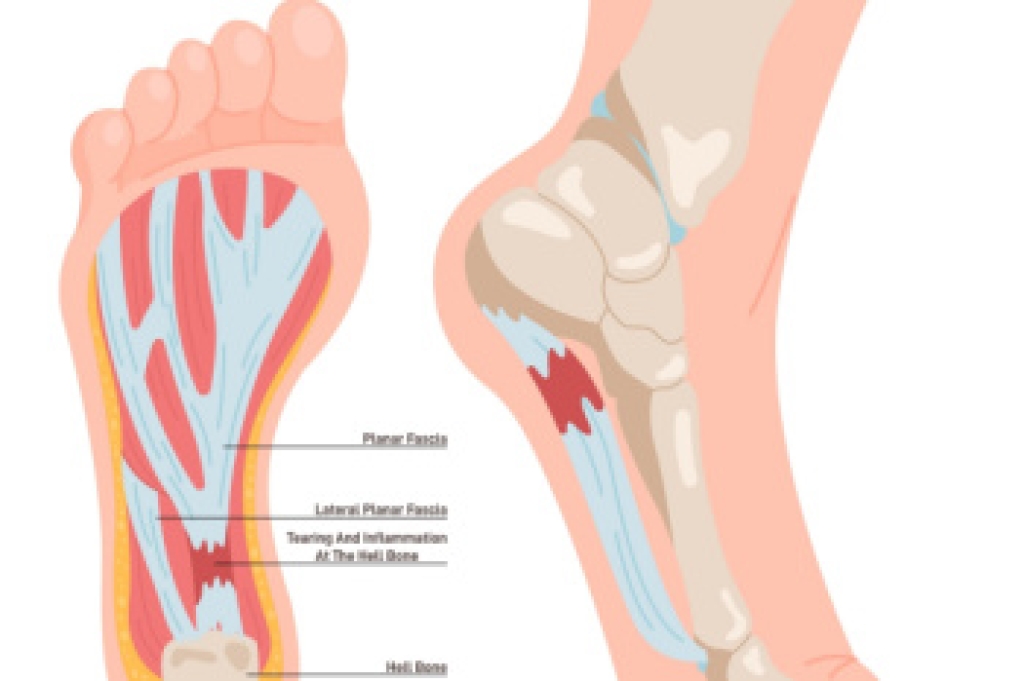
  • Plantar Fasciitis
  • Bone Spurs
  • Corns
  • Tarsal Tunnel Syndrome
  • Ingrown Toenails
  • Arthritis (such as Gout, Rheumatoid, and Osteoarthritis)
  • Flat Feet
  • Injury (from stress fractures, broken toe, foot, ankle, Achilles tendon ruptures, and sprains)
  • And more

Diagnosis

To figure out the cause of foot pain, podiatrists utilize several different methods. This can range from simple visual inspections and sensation tests to X-rays and MRI scans. Prior medical history, family medical history, and any recent physical traumatic events will all be taken into consideration for a proper diagnosis.

Treatment

Treatment depends upon the cause of the foot pain. Whether it is resting, staying off the foot, or having surgery; podiatrists have a number of treatment options available for foot pain.

If you have any questions, please feel free to contact our office located in Westerville, OH . We offer the newest diagnostic and treatment technologies for all your foot care needs.

Read more about Foot Pain

Understanding the Severity of Ankle Sprains

Ankle sprains are among the most common foot and ankle injuries, and occur when the ligaments supporting the ankle are stretched or torn. This often happens during sports, uneven walking surfaces, or sudden twisting movements that force the ankle inward or outward. Symptoms may include pain, swelling, bruising, and difficulty putting weight on the foot. In some cases, the ankle may feel unstable or weak when walking. A mild sprain can improve with rest, while more severe injuries may involve significant swelling and limited movement. Without proper treatment, repeated sprains can lead to chronic instability and ongoing discomfort. A podiatrist can evaluate the injury with a physical examination and imaging studies to determine the severity of the damage. Treatment may include bracing, anti-inflammatory care, or immobilization for more serious injuries. Surgery is sometimes considered when ligaments fail to heal properly. If you have an ankle sprain, it is suggested that you schedule an appointment with a podiatrist for appropriate treatment solutions.

Although ankle sprains are common, they aren’t always minor injuries. If you need your ankle injury looked at, contact Jennifer Swan, DPM from Right Step Foot Care. Our doctor can provide the care you need to keep you pain-free and on your feet.

How Does an Ankle Sprain Occur?

Ankle sprains are the result of a tear in the ligaments within the ankle. These injuries may happen when you make a rapid shifting movement while your foot is planted. A less common way to sprain your ankle is when your ankle rolls inward while your foot turns outward.

What Are the Symptoms?

  • Pain at the sight of the tear
  • Bruising/Swelling
  • Ankle area is tender to touch
  • In severe cases, may hear/feel something tear
  • Skin discoloration

Preventing a Sprain

  • Wearing appropriate shoes for the occasion
  • Stretching before exercises and sports
  • Knowing your limits

Treatment of a Sprain

In many cases, the RICE method (Rest, Ice, Compression, and Elevate) is used to treat ankle sprains. However, you should see a podiatrist to see which treatment option would work best with your injury. In severe cases, surgery may be required.

It is important to ask your doctor about rehab options after you receive treatment for your injury. Stretching, strength training, and balance exercises may help the ankle heal while also preventing further injury.

If you have any questions, please feel free to contact our office located in Westerville, OH . We offer the newest diagnostic and treatment technologies for all your foot care needs.

Read more about Three Grades of Ankle Sprains

Ankle Pain May Be Caused by Arthritis

Persistent ankle pain can sometimes point to arthritis, a condition that affects the joints and limits smooth movement. Arthritis develops when the protective tissue between bones wears down or when the body’s immune system attacks joint tissue. This can lead to pain, swelling, stiffness, and reduced motion in the joint. Types of pain that affect the ankle include osteoarthritis, which is linked to joint wear over time, and rheumatoid arthritis, which causes inflammation in both ankles. Gout is another form, caused by crystal buildup in the joint that leads to sudden, intense pain. A podiatrist can examine the ankle and review imaging studies to identify the cause. Treatment plans include reducing joint stress, certain medications, and protecting the joint from further damage. If you have ankle pain, it is suggested that you schedule an appointment with a podiatrist for a diagnosis and appropriate treatment.

Arthritis can be a difficult condition to live with. If you are seeking treatment, contact Jennifer Swan, DPM from Right Step Foot Care. Our doctor can provide the care you need to keep you pain-free and on your feet.

Arthritic Foot Care  

Arthritis is a joint disorder that involves the inflammation of different joints in your body, such as those in your feet. Arthritis is often caused by a degenerative joint disease and causes mild to severe pain in all affected areas. In addition to this, swelling and stiffness in the affected joints can also be a common symptom of arthritis.

In many cases, wearing ill-fitting shoes can worsen the effects and pain of arthritis. Wearing shoes that have a lower heel and extra room can help your feet feel more comfortable. In cases of rheumatoid arthritis, the arch in your foot may become problematic. Buying shoes with proper arch support that contour to your feet can help immensely.

Alleviating Arthritic Pain

  • Exercises that stretch the foot can prevent further pain and injury and increase mobility
  • Most of the pain can be alleviated with anti-inflammatory drugs, heat, and topical medications
  • Massages can help temporarily alleviate pain.

It is best to see your doctor for the treatment that is right for your needs and symptoms. Conditions vary, and a podiatrist can help you determine the right method of care for your feet.

If you have any questions please feel free to contact our office located in Westerville, OH . We offer the newest diagnostic tools and technology to treat your foot and ankle needs.

Read more about Arthritic Foot Care

Causes and Symptoms of Ingrown Toenails

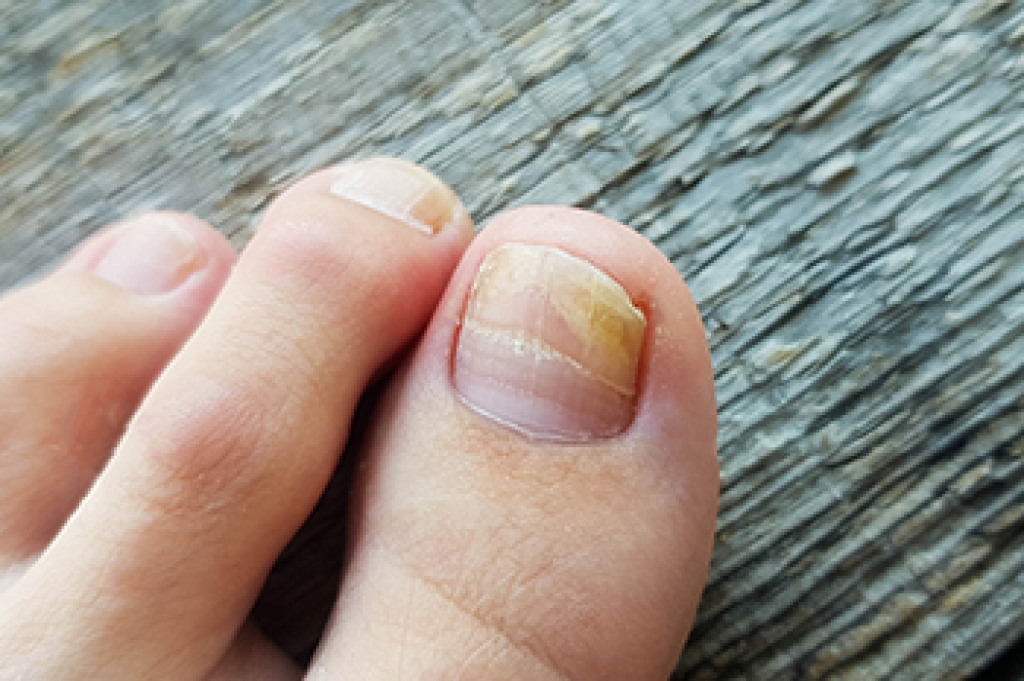
Ingrown toenails develop when the edge of a nail grows into the surrounding skin, often affecting the big toe. Common causes of ingrown toenails include tight-fitting shoes that crowd the toes, improper nail trimming, and injury to the toe. Naturally curved nails, as well as repeated pressure from walking or sports, can increase risk. Symptoms include pain along the nail edge, redness, swelling, and tenderness when pressure is applied. As the ingrown toenail worsens, the skin may become inflamed. Fluid or pus can form if bacteria enter the area. Some people notice slight bleeding or extra skin forming around the nail. A podiatrist can diagnose the severity of the condition, trim or remove the problem portion of the nail, and provide care to reduce infection and prevent recurrence. If you are experiencing pain from an ingrown toenail, it is suggested that you make an appointment with a podiatrist for a diagnosis and treatment.

Ingrown toenails may initially present themselves as a minor discomfort, but they may progress into an infection in the skin without proper treatment. For more information about ingrown toenails, contact Jennifer Swan, DPM of Right Step Foot Care. Our doctor can provide the care you need to keep you pain-free and on your feet.

Ingrown Toenails

Ingrown toenails are caused when the corner or side of a toenail grows into the soft flesh surrounding it. They often result in redness, swelling, pain, and in some cases, infection. This condition typically affects the big toe and may recur if it is not treated properly.

Causes

  • Improper toenail trimming
  • Genetics
  • Improper shoe fitting
  • Injury from pedicures or nail picking
  • Abnormal gait
  • Poor hygiene

You are more likely to develop an ingrown toenail if you are obese, have diabetes, arthritis, or have any fungal infection in your nails. Additionally, people who have foot or toe deformities are at a higher risk of developing an ingrown toenail.

Symptoms

Some symptoms of ingrown toenails are redness, swelling, and pain. In rare cases, there may be a yellowish drainage coming from the nail.

Treatment

Ignoring an ingrown toenail can have serious complications. Infections of the nail border can progress to a deeper soft-tissue infection, which can then turn into a bone infection. You should always speak with your podiatrist if you suspect you have an ingrown toenail, especially if you have diabetes or poor circulation.

If you have any questions, please feel free to contact our office located in Westerville, OH . We offer the newest diagnostic and treatment technologies for all your foot care needs.

Read more about Ingrown Toenail Care
scroll to top